Security, Convenience, and Self-respect: How to Choose the Best Elderly Care Home
Business Name: BeeHive Homes Assisted Living
Address: 11765 Newlin Gulch Blvd, Parker, CO 80134
Phone: (303) 752-8700
BeeHive Homes Assisted Living
BeeHive Homes offers compassionate care for those who value independence but need help with daily tasks. Residents enjoy 24-hour support, private bedrooms with baths, home-cooked meals, medication monitoring, housekeeping, social activities, and opportunities for physical and mental exercise. Our memory care services provide specialized support for seniors with memory loss or dementia, ensuring safety and dignity. We also offer respite care for short-term stays, whether after surgery, illness, or for a caregiver's break. BeeHive Homes is more than a residence—it’s a warm, family-like community where every day feels like home.
11765 Newlin Gulch Blvd, Parker, CO 80134
Business Hours
Choosing an elderly care home is one of those choices that keeps individuals awake in the evening. You are weighing safety versus self-reliance, medical needs against psychological requirements, and financial resources versus suitables. It is not a spreadsheet issue, it is a human one. I have actually sat at kitchen tables with families in tears due to the fact that they waited too long to plan, and I have seen the relief in a kid's shoulders when he understands his mother is lastly someplace safe, highly regarded, and understood.
Good senior care is not practically clean floors and set up meals. It is about preserving a person's story, their choices, their peculiarities, and their dignity, even as they require increasing aid with every day life. The "finest" elderly care home is seldom the flashiest building or the one with the thickest brochure. It is the one that fits your relative's needs, character, and values, in addition to your family's limits.
This guide walks through how to think of that option in a grounded, useful way.
Start with a clear photo of requirements, not buildings
People often start by touring assisted living facilities or nursing homes and responding to what they see. That is understandable, however in reverse. The first step is to be brutally sincere about what your family member needs, now and in the near future.
I typically recommend 3 lenses.
The initially is day-to-day functioning. Can they bathe and dress on their own? Manage toileting dependably? Prepare meals securely? Handle their medications correctly? A person who requires aid connecting shoes is in a different circumstance than somebody who forgets to shut off the stove.
The second is medical complexity. Do they have conditions like heart failure, COPD, diabetes with frequent hypoglycemia, or advanced Parkinson's? Do they require scheduled injections, oxygen, tube feeding, or injury care? Assisted living neighborhoods can handle some health needs, however complicated treatment often points toward a greater level of support.
The 3rd is cognitive and psychological status. Moderate memory lapses are one thing. Wandering, unsafe judgment, character changes, or aggressiveness recommend possible dementia and the need for personnel trained in memory care. Anxiety, anxiety, or sorrow can also form what environment will feel safe and tolerable.
Write these truths down in plain language, including the tough parts. Families sometimes sugarcoat because the reality harms, however an accurate photo prevents bad positioning and repeat relocations later, which are harder on everybody, particularly the older adult.
Understanding the primary types of elderly care
Once you understand the requirements, you can take a look at care settings with clearer eyes. Terms differs by nation and region, however broadly speaking, elderly care options for those who no longer flourish alone tend to fall under a couple of categories.
Assisted living is generally a great fit for individuals who are primarily independent but require assist with jobs such as bathing, dressing, medication suggestions, or housekeeping. Citizens have personal or semi-private homes, communal dining, and structured activities. Healthcare exists to a minimal degree, frequently via checking out nurses or contracted suppliers, but continuous medical tracking is not the focus.
Nursing homes, or proficient nursing centers, are developed for individuals who need ongoing medical guidance and hands-on care. This may consist of locals recovering from strokes, those with late-stage persistent health problem, or people who are bed-bound or extremely frail. Staff consist of signed up nurses, therapists, and assistants all the time. The environment feels more scientific and managed, which is suitable for the level of risk, but can be a change for households anticipating a homelike atmosphere.
Memory care units focus on dementia and related cognitive disorders. They might exist within assisted living, within nursing homes, or as stand-alone neighborhoods. These units usually include protected doors to prevent unsafe roaming, streamlined designs, and staff trained in dementia communication and behavior management. Activities are structured to preserve remaining capabilities, not test deficits.
Respite care is short-term senior care, typically 2 days to several weeks, in a residential setting. It offers family caretakers remedy for full-time obligation, or offers a safe place for an older grownup while a primary caretaker is hospitalized, journeys, or simply needs to reset. Respite can take place in assisted living, nursing homes, or devoted respite programs.
There are likewise continuing care retirement communities, or CCRCs, which integrate independent living, assisted living, and nursing care on one campus. Residents can move between levels of care as their needs alter. These neighborhoods typically require substantial entry costs and comprehensive agreements, and they interest those who want to "age in place" within a single system.
The right classification is not only about current requirements. If somebody's health is declining or dementia is advancing, a setting that can accommodate the next level of care without a disruptive relocation is typically worth a premium.
Balancing security with autonomy and dignity
Families sometimes lean tough in one direction: either "lock everything down so absolutely nothing bad can take place" or "I never want them to seem like a patient." The art lies in the middle.
Safety is non-negotiable. If a person is at high threat of falling, wandering into traffic, mishandling medications, or beginning kitchen area fires, an independent home with minimal oversight may be too dangerous, no matter how attached they are to the idea. I often state that an unsafe "liberty" that leads to a hip fracture or a home fire is not freedom in any meaningful sense.
At the very same time, overprotecting can strip away self-respect. I once worked with a resident, a retired carpenter, who was miserable in a highly institutional nursing home. He did not require that level of healthcare yet, but his adult children were horrified of falls after a small incident at home. Moving him to a smaller assisted living neighborhood, where he might still play in a supervised workshop and stroll the garden with staff nearby, changed his mood. His fall risk was handled, not removed, and he seemed like himself again.
When you tour a center, see how personnel relate to locals. Do they deal with individuals by name, at eye level, with persistence? Or do they talk over them, hurry them, or describe "feeds" and "diapers" within earshot? Respectful language and calm attention signal a culture that values self-respect as much as efficiency.
Autonomy can also be supported in small, practical methods. Try to find flexibility in schedules, not simply a stiff "lights out at 8 p.m." regimen. Ask if citizens can individualize their rooms, choose what to eat from more than one choice, and go to or skip activities without pressure. The more an individual can still make meaningful choices, the much better their quality of life, even within the structure of assisted living or a nursing home.
What to look for on a visit (beyond the sales brochures)
Most families visit several communities before deciding. The first impression matters, but be cautious about being swayed by chandeliers and manicured yards alone. Cleanliness and aesthetics count, however they are the simple part to stage.
The genuine info emerges in the information. Notice the odor when you stroll in. A faint cleansing item scent is typical in care settings. Persistent odors of urine or feces suggest chronically inadequate staffing, bad continence assistance, or neglected housekeeping.
Listen for the general noise level. A consistent chorus of unanswered call bells, screaming, or chaotic overhead pages signals tension on personnel and homeowners alike. A peaceful environment is not instantly great either; complete silence often indicates homeowners are isolated in spaces with little engagement.
Observe homeowners' affect. Do most people look groomed, dressed in routine clothes, and engaged with something, even if it is the television or a puzzle? Or do you see many in wheelchairs parked along corridors, dropped over, or calling out without response? You can learn more in 10 minutes of casual observation than in an hour of marketing talk.
Do not be shy about asking direct questions. "What is your staff-to-resident ratio on nights and weekends?" "How do you manage behavioral changes in dementia?" "The number of residents are sent out to the healthcare facility every month?" "What is your turnover rate for caretakers?" You will not get best answers, however the openness and specifics matter. Evasive responses or "we can't share that" to every concern are cautioning signs.
I motivate households to visit twice if possible, at various times of day. Mornings demonstrate how individual care, medications, and breakfast are handled. Late afternoons or evenings can expose whether citizens get agitated and how staff manage "sundowning" behaviors in those with dementia.
A short list of non‑negotiables
When feelings run high, it assists to anchor yourself in a couple of clear must‑haves. For most families selecting an elderly care home, the following items, at minimum, deserve that status:
- Documented policies for falls, medication management, and emergency transfers, including how and when families are informed
- Staff trained specifically in dementia, if your relative has actually or is thought to have cognitive impairment
- Clear, written pricing that distinguishes base fees from add‑ons, with practical projections for most likely increases
- A way for citizens to voice issues or complaints without retaliation, and a course for households to escalate problems
- Licensure in excellent standing with the pertinent regulative body, with recent inspection reports readily available for review
Treat these as limits. If a facility can not satisfy you on these points, nice decor or a friendly salesperson ought to not make up for that gap.
Staffing: the covert engine of quality
The finest structure on the planet can not make up for insufficient staffing. On the other hand, I have seen modest older buildings where personnel knew every resident's history, preferences, and medical quirks, and outcomes were excellent.
Ask about staffing ratios, but do not stop there. Ratios on paper can be misguiding if the group is continuously churning. High turnover frequently results in inconsistent care, more mistakes with medications, and locals feeling anxious since "everybody is brand-new all the time."
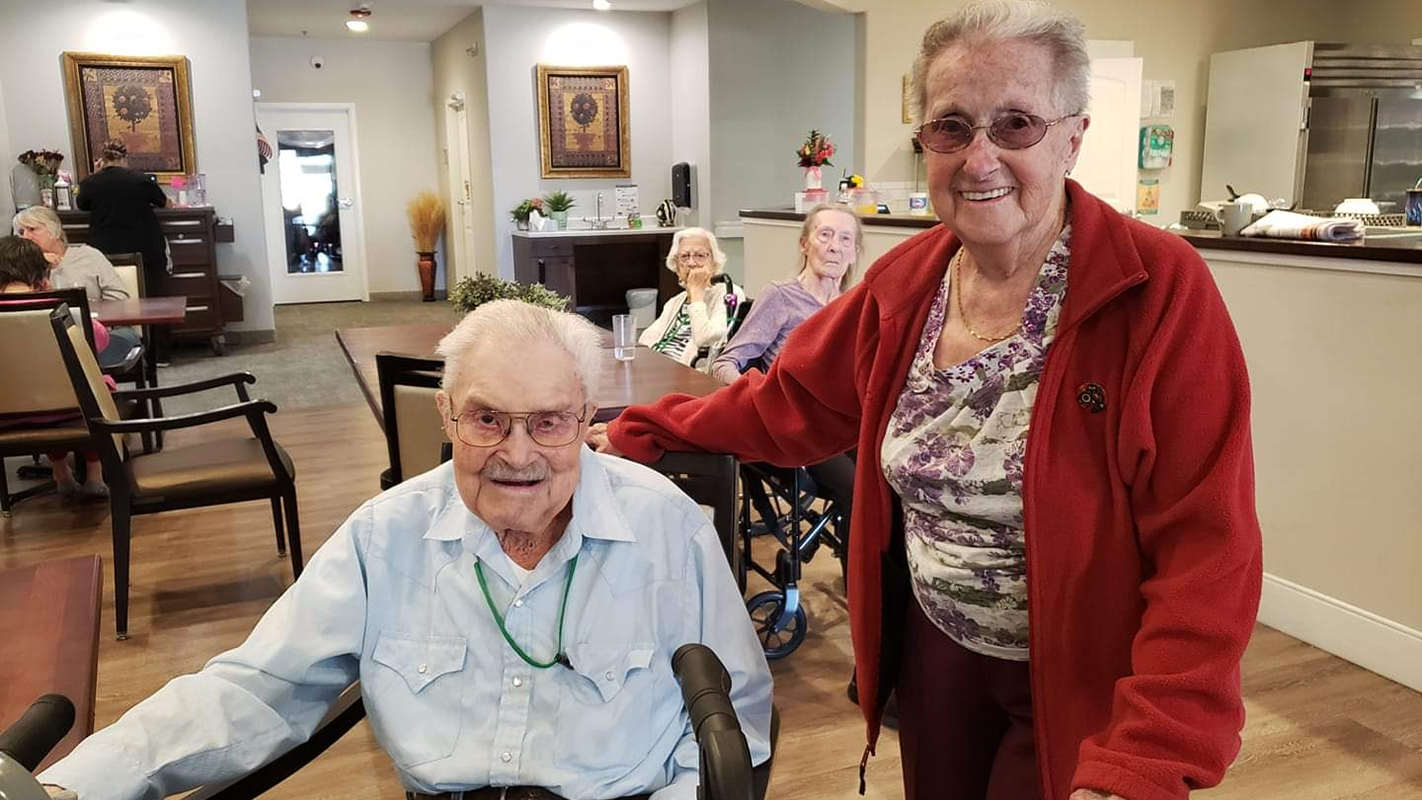
In good senior care programs, nursing assistants or care assistants generally know citizens best. They observe when somebody is "off" before vital signs reveal a problem. Watch how they move through the space. Are they strolling briskly but calmly, or appearing worried, hurried, or irritated? Do they react to call lights immediately or appear overwhelmed?
Staff training is similarly important. For assisted living or memory care, training in dementia communication techniques, safe transfers, and de‑escalation of agitation is important. Ask how frequently staff get ongoing education. A one‑time orientation from five years ago is not enough.
A subtle indicator of a strong culture is how management talks about caretakers. If management talks with respect, acknowledges the trouble of the work, and can explain concrete efforts to support staff, that often correlates with much better care.
Activities, community, and the risk of quiet loneliness
Families often focus on spa‑style features over day‑to‑day stimulation. A saltwater swimming pool or cinema looks impressive, yet the real factor of life quality is whether your relative will feel part of a community.
Look beyond the printed activity calendar. Anybody can put "art treatment" on a schedule. Ask to visit throughout an activity hour. Are citizens truly participating, or are two people engaged while everyone else looks blankly? Are activities adapted for different cognitive and physical abilities?
Variety matters. Some individuals grow on group occasions, others prefer one‑on‑one interactions. Strong programs mix exercise, imaginative pursuits, social events, and peaceful, individualized offerings. For somebody with memory problems, even a 15‑minute small group focused on music or reminiscence can be more meaningful than a large, hectic gathering.
Also think about the cultural and spiritual requirements of your family member. Does the community offer services or support that aligns with their faith or worldview? Are there personnel or residents who share a language or cultural background that may make your relative feel less like a stranger?
Loneliness can be extensive in senior care neighborhoods that look vibrant from the outside. A resident can be physically surrounded by others and still feel unnoticeable if personnel are too hurried to talk, or if activities are not tailored. Ask how the group notifications when somebody withdraws, and what they do about it.
Food, nutrition, and the role of pleasure
Meals structure the day and often provide the main social touchpoints in elderly care. Poor food can sour the whole experience, even if the rest of the care is adequate.
Insist on tasting a meal yourself. Take notice of both flavor and discussion. Food in nursing homes should satisfy regulative nutrition standards, but that does not need it to be dull or unappetizing. In assisted living, there is typically more flexibility in menu design, however quality varies dramatically.
Ask how unique diets are dealt with. For homeowners with diabetes, kidney illness, or swallowing troubles, the best balance of security and enjoyment is crucial. Extremely limiting diets can result in weight loss and depression, particularly if imposed strictly on somebody who is nearing completion of life. An excellent care team will go over objectives and trade‑offs with you and your relative, not simply follow a default template.
Flexibility around mealtimes and snacks likewise assisted living parker co signifies respect for specific preferences. Someone who has actually consumed a late breakfast their entire life may battle with a strict 7 a.m. Meal. Within reason, communities that permit some choice in timing typically see much better intake and fewer behavioral issues.
Money, agreements, and sensible planning
Finances are typically the elephant in the room. High quality elderly care is expensive, whether it is assisted living, memory care, or nursing care. Disregarding the monetary piece leads to crises when cash runs out.
Be honest about your budget, not simply for this year, but for a most likely period of need. Lots of citizens reside in care homes for three to seven years, in some cases longer. Consider annual cost increases, which can range from 3% to 8% or more depending upon inflation, staffing costs, and regulatory changes.
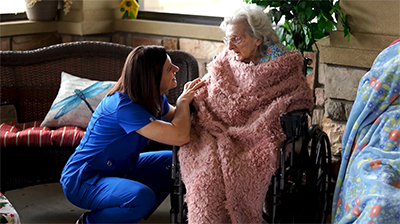
Read contracts slowly and, if possible, with another pair of eyes. Focus on how and when fees alter. Some assisted living facilities utilize a "level of care" system, where greater requirements trigger higher regular monthly charges. Others run more a la carte, billing independently for aid with bathing, medication administration, or incontinence care. Request a practical expense price quote based on your relative's present condition, not simply the base rate.
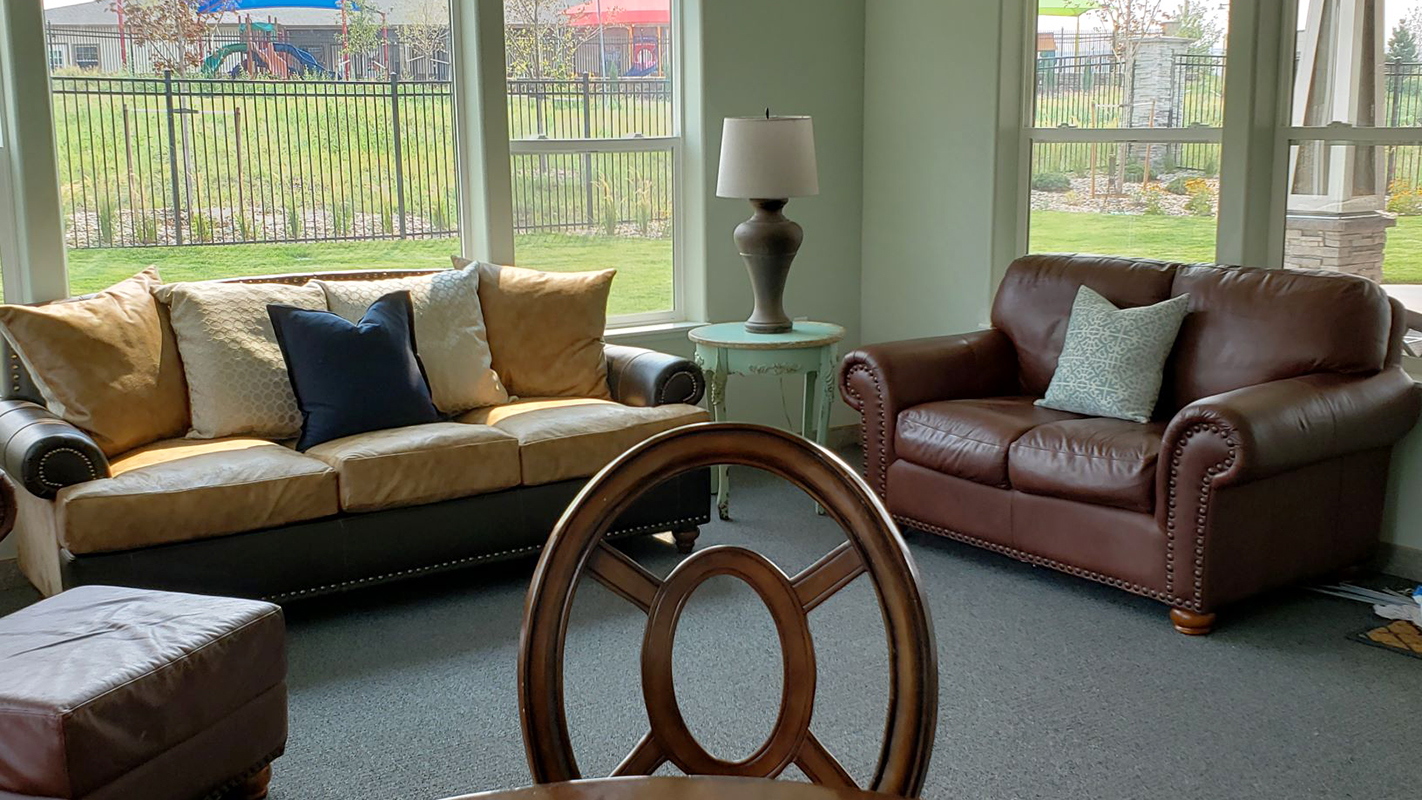
Understand what occurs if your relative's money runs low. Does the center accept public funding or insurance coverage programs after a personal pay duration? Are there waitlists for those subsidized areas? I have seen households forced to move a frail parent from a precious home since they did not plan for this transition.
Clarify policies on refunds, deposits, and notice periods if you decide to move out. Also ask what occurs if your relative is hospitalized for a prolonged time. Will you still be billed the complete month-to-month rate to hold the room?
It deserves talking to a financial coordinator or elder law lawyer, particularly if there are several brother or sisters, complex possessions, or a need to browse public benefit programs. Clearness now prevents dispute later.
When respite care becomes a screening ground
Respite care is typically framed as simply a break for the family caretaker, which it absolutely is. However it can likewise work as a low‑risk trial for a possible long‑term placement.
If you are uncertain how your relative will tolerate a common living environment, a week or 2 of respite in an assisted living or nursing home can give you indispensable information. You see how personnel actually run when marketing staff are not hovering, and your member of the family experiences the rhythm of the place.
When arranging respite, treat it as seriously as irreversible placement. Ask the same concerns about staff ratios, medical protection, and activities. Provide detailed background on your relative's regimens, likes, and dislikes. A good senior care team will utilize that details to smooth the change rather than treating respite homeowners as transient "additionals."
Watch how your relative looks and acts throughout and after the stay. Did they consume better? Seem calmer or more distressed? Mention any staff by name, positively or negatively? Their feedback, even if filtered through dementia or illness, uses clues about fit.
Families, interaction, and shared expectations
Even in the very best elderly care home, there will be imperfect days. A missed shower, a lost sweater, or a delay in responding to a call bell will take place occasionally. The true test is how the center reacts when things go wrong.
Before moving in, clarify interaction channels. Who is your bottom line of contact for medical updates? For billing concerns? For daily issues? Ensure the names and functions are written down. Ask how often care strategy meetings happen and whether you can participate in by phone or video if you live far away.
Establish a tone of considerate collaboration from the start. Share what works and what does not with your relative, not as commands, however as useful context. Invite staff to tell you what they are noticing too. In my experience, small, early conversations about concerns prevent larger blow‑ups later.
Families in some cases battle with guilt, which can spill into interactions with staff. It is natural to feel conflicted, specifically if your relative did not wish to leave home. Bear in mind that your role has actually shifted from hands‑on caregiver to promote and emotional anchor. Accepting help from a strong elderly care group is not abandonment, it is a different type of loving care.
Pulling everything together: matching individual, location, and timing
There is no best elderly care home. There are places that are safe enough, caring enough, and aligned enough with your relative's needs and character that life can still hold pleasure, purpose, and dignity.
When picking among choices, it often helps to list your top 2 or three top priorities, then see which center matches most carefully. For some families, proximity is vital, because regular visits matter more than facilities. For others, specialized memory care or a robust rehabilitation program outweighs distance.
If you are choosing between assisted living and a greater level of care, ask yourself not just "Can they manage here now?" however "Is this likely to still be suitable twelve to twenty‑four months from now?" A slightly greater level of assistance that avoids duplicated relocations might be kinder overall.
Above all, remember that this is a process, not a single irreversible choice. Individuals move, care strategies alter, and facilities evolve. Staying engaged, visiting routinely, and keeping open communication with the care group will matter just as much as where you sign the admission papers.
A good elderly care home, whether focused on assisted living, full nursing care, or a specialized memory or respite care program, becomes an extension of your family's capability to enjoy and safeguard an older relative. The time you purchase picking carefully is an act of regard for their history, and a practical safeguard for their future.
BeeHive Homes Assisted Living provides assisted living care
BeeHive Homes Assisted Living provides memory care services
BeeHive Homes Assisted Living provides respite care services
BeeHive Homes Assisted Living offers 24-hour support from professional caregivers
BeeHive Homes Assisted Living offers private bedrooms with private bathrooms
BeeHive Homes Assisted Living provides medication monitoring and documentation
BeeHive Homes Assisted Living serves dietitian-approved meals
BeeHive Homes Assisted Living provides housekeeping services
BeeHive Homes Assisted Living provides laundry services
BeeHive Homes Assisted Living offers community dining and social engagement activities
BeeHive Homes Assisted Living features life enrichment activities
BeeHive Homes Assisted Living supports personal care assistance during meals and daily routines
BeeHive Homes Assisted Living promotes frequent physical and mental exercise opportunities
BeeHive Homes Assisted Living provides a home-like residential environment
BeeHive Homes Assisted Living creates customized care plans as residents’ needs change
BeeHive Homes Assisted Living assesses individual resident care needs
BeeHive Homes Assisted Living accepts private pay and long-term care insurance
BeeHive Homes Assisted Living assists qualified veterans with Aid and Attendance benefits
BeeHive Homes Assisted Living encourages meaningful resident-to-staff relationships
BeeHive Homes Assisted Living delivers compassionate, attentive senior care focused on dignity and comfort
BeeHive Homes Assisted Living has a phone number of (303) 752-8700
BeeHive Homes Assisted Living has an address of 11765 Newlin Gulch Blvd, Parker, CO 80134
BeeHive Homes Assisted Living has a website https://beehivehomes.com/locations/parker/
BeeHive Homes Assisted Living has Google Maps listing https://maps.app.goo.gl/1vgcfENfKV9MTsLf8
BeeHive Homes Assisted Living has Facebook page https://www.facebook.com/BeeHiveHomesParkerCO
BeeHive Homes Assisted Living won Top Assisted Living Homes 2025
BeeHive Homes Assisted Living earned Best Customer Service Award 2024
BeeHive Homes Assisted Living placed 1st for Senior Living Communities 2025
People Also Ask about BeeHive Homes Assisted Living
What is BeeHive Homes Assisted Living monthly room rate?
Our monthly rate is based on the individual level of care needed by each resident. We begin with a personal evaluation to understand your loved one’s daily care needs and tailor a plan accordingly. Because every resident is unique, our rates vary—but rest assured, our pricing is all-inclusive with no hidden fees. We welcome you to call us directly to learn more and discuss your family’s needs
Can residents stay in BeeHive Homes until the end of their life?
In most cases, yes. We work closely with families, nurses, and hospice providers to ensure residents can stay comfortably through the end of life unless skilled nursing or hospital-level care is required
Does BeeHive Homes Assisted Living have a nurse on staff?
Yes. While we are a non-medical assisted living home, we work with a consulting nurse who visits regularly to oversee resident wellness and care plans. Our experienced caregiving team is available 24/7, and we coordinate closely with local home health providers, physicians, and hospice when needed. This means your loved one receives thoughtful day-to-day support—with professional medical insight always within reach
What are BeeHive Homes of Parker's visiting hours?
We know how important connection is. Visiting hours are flexible to accommodate your schedule and your loved one’s needs. Whether it’s a morning coffee or an evening visit, we welcome you
Do we have couple’s rooms available?
Yes! We offer couples’ rooms based on availability, so partners can continue living together while receiving care. Each suite includes space for familiar furnishings and shared comfort
Where is BeeHive Homes Assisted Living located?
BeeHive Homes Assisted Living is conveniently located at 11765 Newlin Gulch Blvd, Parker, CO 80134. You can easily find directions on Google Maps or call at (303) 752-8700 Monday through Sunday Open 24 hours
How can I contact BeeHive Homes Assisted Living?
You can contact BeeHive Homes of Parker Assisted Living by phone at: (303) 752-8700, visit their website at https://beehivehomes.com/locations/parker, or connect on social media via Facebook
Salisbury Regional Park offers a quiet outdoor setting where assisted living, memory care, senior care, elderly care, and respite care residents can enjoy gentle walks and fresh air close to home.